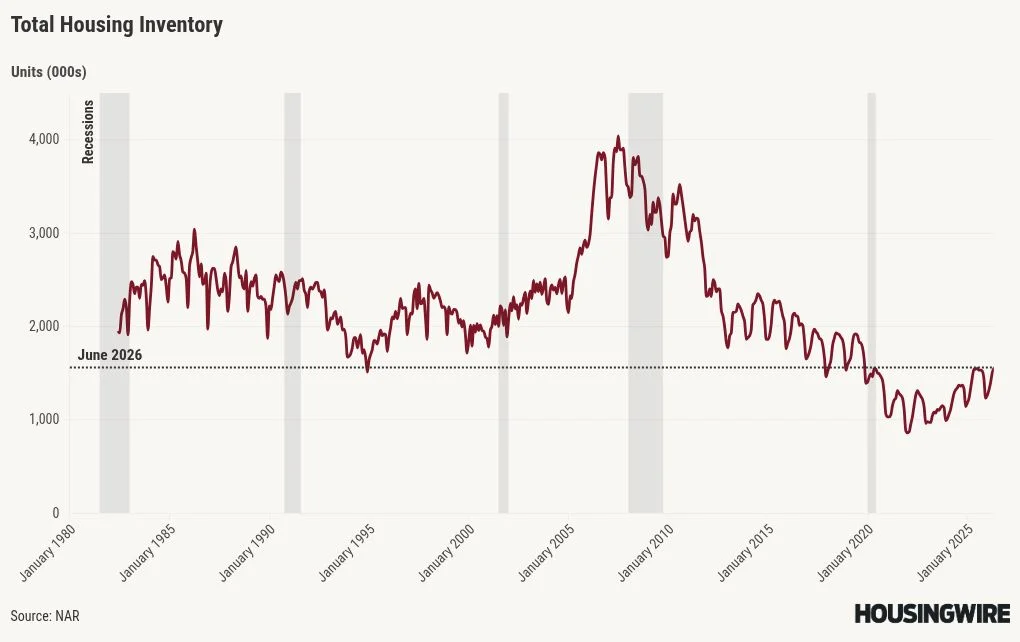
As the complexities of the current housing market continue to challenge homebuilders across the U.S., a surprisingly proactive approach is emerging amid adversity. The backdrop of 2026 has revealed a host of hurdles: softening demand, fragile consumer confidence, and rising cost-of-living pressures affecting potential buyers. While the instinct may be to react by cutting costs, the real opportunity lies in operational refinement and continuous improvement. This is the moment for homebuilders to embrace strategic transformation rather than merely weather the storm.
Embracing Operational Efficiency in Troubling Times
The current market dynamics aren’t just creating problems; they’re illuminating the inefficiencies in the homebuilding process. As the pace of sales slows, each aspect of operations—from land acquisition to product design—undergoes scrutiny, ensuring homeowners can adapt to changing circumstances. The realization that operational friction stands in the way of profitability has never been more apparent. As delays amplify costs, prioritizing efficiency can turn these challenges into opportunities.
Chris Graham, president of Constellation HomeBuilder Systems, articulated a key insight on the state of data management in the industry: “Data has always been messy.” This resonates deeply with executives who navigate myriad systems that haven’t historically worked together seamlessly. Builders that recognize the need for a transformative approach to data management can position themselves at the forefront of an operational evolution.
The Imperative of AI Integration
Investing in artificial intelligence is no longer a choice between innovation and stagnation; it’s an essential step for thriving in this fluctuating market. McKinsey’s recent insights underline the necessity of a strong data foundation to harness AI effectively. Homebuilders face a pivotal moment: integrate AI thoughtfully into core workflows or risk falling behind competitors who do. Fragmentation looms as a significant concern, with many firms experimenting with various AI tools without cohesive strategies. This risks creating digital sprawl that fails to yield tangible benefits.
Constellation’s launch of Stella AI exemplifies an effort to turn operational challenges into a competitive edge. Rather than relegating AI to peripheral tasks, leading builders should focus on embedding these tools within existing operational frameworks. Graham emphasizes that this isn’t merely a foray into data experimentation but a well-constructed platform built from years of collaboration with homebuilding operators. The distinction here is vital: successful AI integration requires a cohesive strategy grounded in refined data architecture.
Identifying and Addressing Margins Under Pressure
Your ability to identify cost leaks and inefficiencies can pivot the business decisively toward profitability. As sales slow, overhead absorption and operational costs come under increased scrutiny. Bob Swainhart, General Manager of Enterprise Solutions at Constellation, notes that many builders manage vast option libraries, which can obscure essential insights about cost and performance. For instance, losing weeks probing vast datasets to extract insights can mean lost margins and delayed decision-making—a perilous combination in a challenging market environment.
With up to 7,000 homes under construction at any time, pinpointing the source of scheduling delays or inefficiencies becomes paramount. Identifying which subcontractors drive variance or where bottlenecks occur can mean the difference between a robust profit margin or a significant operational loss. Builders who embrace data-driven decision-making powered by capabilities like Stella AI stand to gain substantial advantages in this regard.
The Dangers of Disconnected Strategies
In a sector already burdened by fragmented processes, scattered AI initiatives can create more complications than they solve. A more strategic approach involves integrating AI directly into decision-making processes, thereby sidestepping the pitfalls of disorderly digital management. Current insights suggest a robust framework—such as Constellation’s BuilderMetrix—can streamline operations and support the meaningful deployment of AI technologies. This unified approach ensures that builders can trust their data is clean, coherent, and actionable.
The Trust Factor: Essential for AI Adoption
Despite the promise of AI, the question remains: will builders trust these new systems? If operational data is perceived as unreliable or if governance around data use is not clearly defined, adoption may falter. Builders need assurances that AI will translate to tangible operational improvements, not just new challenges. Mulroy from Constellation highlights that trust in data architecture is paramount—homebuilders will embrace technology when it’s proven to deliver efficiency and cost savings, not just because it’s the latest trend.
Strategizing for Future Resilience
As we navigate the complexities of the current homebuilding environment, it’s clear that maintaining the status quo is no longer a viable option. Builders that strategically engage in improving their operational practices today will find themselves better positioned to capture market opportunities in the future. Facing sluggish demand may feel punitive, but it offers a unique chance to innovate and strengthen operations.
- By shortening cycle times.
- Minimizing workflow friction.
- Reducing waste and empowering informed decision-making.
- Creating clear insights that drive continuous improvement.
As we look ahead, whether the market reaccelerates or remains slow, the long-term benefits of adopting advanced operational strategies through AI and refined data management will only grow. Builders may find that this moment offers not just a challenge but a clarion call for transformation—a call to not only survive but thrive in the face of adversity.