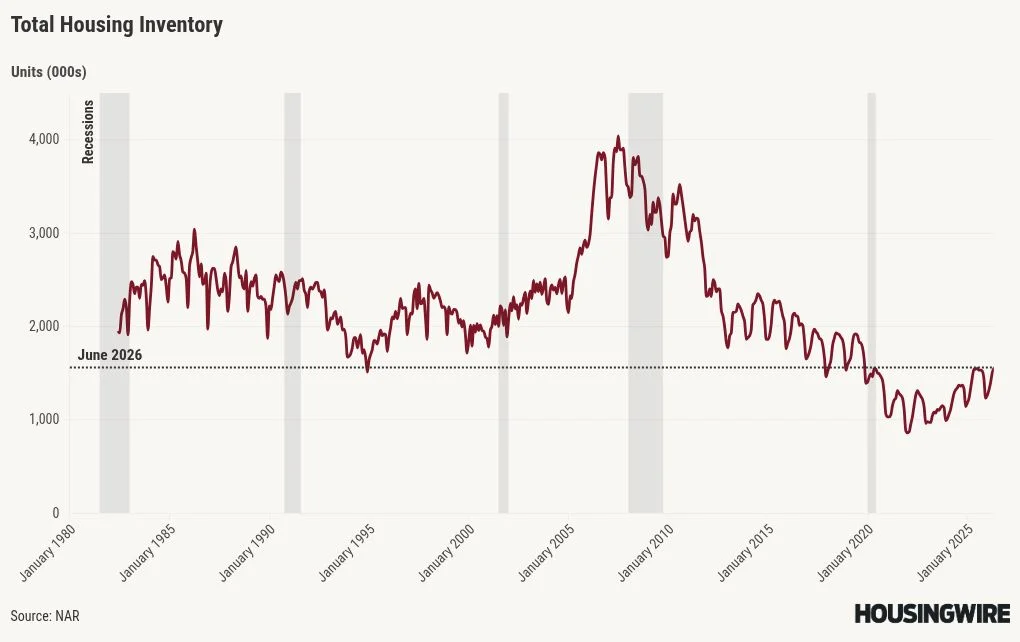
New York City's construction sector is witnessing a significant resurgence with a reported 577 new building filings in Q1 2026, a striking 74% increase year-over-year, according to the Real Estate Board of New York (REBNY). In total, these filings encompass approximately 21.2 million square feet of proposed construction, reflecting both optimism and urgency amidst a chronic housing shortage. While these numbers look promising, the pressure is building, and there's still a long way to go to meet the demands of an ever-growing population and workforce.
Post-421a: A Turning Point for Development
This surge marks an important rebound following a downturn triggered by the expiration of the 421a tax abatement program in 2022. The 421a program had long been a pillar for incentivizing home development, offering property tax exemptions to builders. Its expiration left many developers hesitant to commit to new projects, citing uncertainty in financial returns. The new tax incentive, 485x, now aimed at encouraging housing development, is under scrutiny, particularly concerning its financial viability and the required wage standards for developers.
The replacement program has faced criticism for being less appealing. Developers feel that the wage standards associated with 485x could deter investment, slowing down the very momentum that's just started to build. Basha Gerhards, REBNY’s Executive Vice President of Public Policy, emphasizes that sustaining this activity will necessitate both supportive regulatory frameworks and innovative financial instruments. Without these changes, a sizable number of projects could remain on the drawing board, contributing little to the pressing housing crisis.
Architectural Overview of New Filings
The lion's share of the new projects filed this quarter—approximately 75%, equating to 15.5 million square feet—are multifamily developments. This is critical as New York City's multifamily vacancy rate has stagnated at an alarming 1.4% since 2023, exacerbating pressures on an already strained housing market. The demand for multifamily housing isn't just a statistic; it's a direct result of job growth and increasing population numbers that outstrip new supply. During this first quarter alone, 281 buildings were proposed to deliver a total of 16,815 multifamily housing units. With more people needing homes than there are available units, the urgency for additional housing is palpable.
Despite these promising filings, the broader U.S. multifamily market is facing a stark contrast. National construction starts have plummeted to their lowest levels since 2011, with only 55,000 new units recorded in Q1 2026—down 73% from an earlier peak. This disparity raises questions about what makes NYC’s construction activity so resilient. While other cities are grappling with significant declines, New York appears to be navigating its own course. Yet, that course may be paved with challenges—especially if the underlying incentives don’t align with investors' interests.
The Bigger Picture: Market Dynamics
As developers flood back into New York City's building scene, it's essential to contextualize this within national trends. REBNY’s latest statistics indicate that the number of new filings, up 13% from the previous quarter and slightly exceeding the historical average since 2008, paints a positive picture for NYC—often seen as the epicenter of multifamily housing developments. Developers’ renewed engagement with New York’s market indicates confidence; however, this renewed vigor must contend with broader economic uncertainties.
This growth, however, cannot be viewed in isolation. The shift from 421a to 485x, which has garnered notable criticism, casts a shadow over the sustainability of the current construction boom. Developers are expressing concern that the new program’s wage requirements might stifle future building initiatives, potentially leading us back to constrained supply if modifications aren't made to address these critiques effectively. If you're working in this space, it may be wise to keep a close eye on how policy adaptations evolve in response to these pressures.
Policy Implications and Future Outlook
Looking ahead, the demand for a stronger policy framework is evident. Gerhards remarks on the need for regulatory adjustments to bolster development and financial tools that can effectively support housing projects at scale. What this means for you is that legislative changes could significantly impact funding availability and construction timelines. Without these changes, New York could very well cycle through another period of building stagnation just as recovery begins. The stakes are high; housing availability directly affects residents’ quality of life, worker retention, and overall economic health.
Ultimately, while New York City’s current momentum in construction is encouraging, it stands in stark contrast to national trends. The city’s ability to capitalize on local growth amid national decline reflects the unique complexities and challenges within the housing market. As the demand for multifamily housing grows and prices remain elevated, ongoing vigilance will be essential. Strategic policymaking will play a pivotal role in ensuring that the rebound translates into sustainable solutions for residents facing enduring housing shortages. This isn’t just about new buildings; it’s about creating homes, securing a community’s future, and addressing the urgent needs of its population.