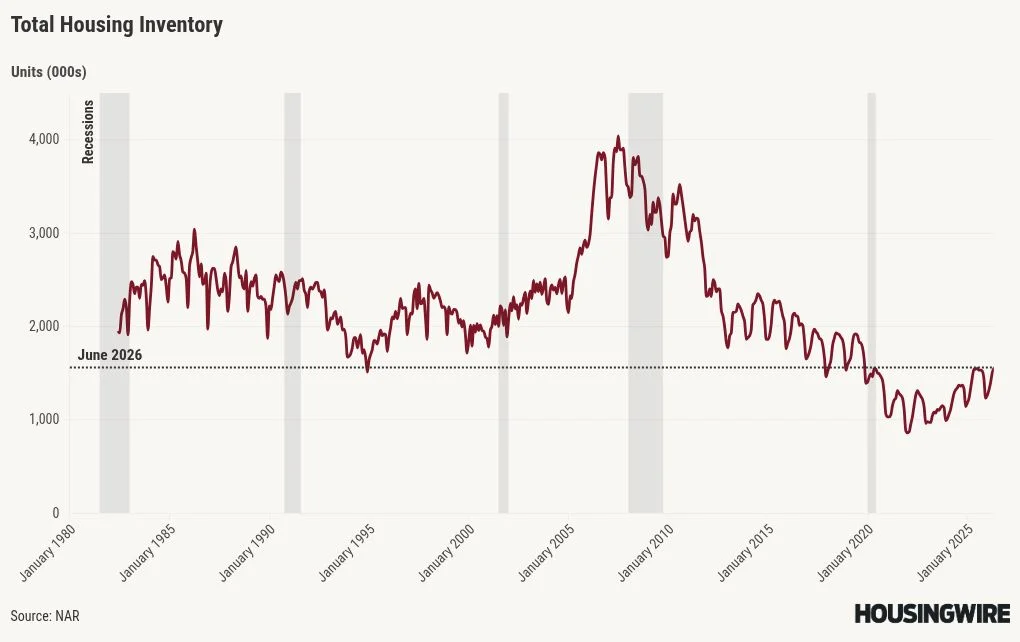
The enduring effect of low mortgage rates on household mobility has morphed from a temporary challenge into a deeply ingrained dilemma for family finances and housing dynamics. Homeowners locked into favorable rates have altered the trajectory of the housing market, creating a scenario where personal circumstances and financial strategy intertwine in complex ways. The trend of homeowners opting to stay put—effectively immobilized by their low-rate mortgages—has created a ripple effect throughout various facets of the property market.
Understanding the Lock-In Effect
Current conversations surrounding the housing market often point to the increase in mortgage rates as the primary culprit behind homeowner inertia. While this argument holds water, it fails to address the underlying implications of a low-rate mortgage. Owning a mortgage at three percent is likened to possessing an asset with tangible value—one that can shield families from surging financing costs. The math is simple: selling a home often means relinquishing a valuable financial product, pushing many to remain where they are.
The Federal Housing Finance Agency (FHFA) has quantified this phenomenon, estimating that the lock-in effect has prevented around 1.72 million home sales between the second quarter of 2022 and the second quarter of 2024, resulting in a notable 7% increase in housing prices. This dynamic sends individuals and families into a state of indecision, impacting not only their immediate living situations but also the broader equilibrium of the housing market.
A Market in Stasis
The real estate market is inherently local and is affected by emotional, financial, and even familial dynamics. It’s fundamentally distinct from more liquid markets such as stocks. As many homeowners forego selling to protect their balance sheets, transaction volume declines, resulting in a paradox where visible prices offer little insight into the true market conditions. Homeowners are not resisting market movements out of mere stubbornness; they're attempting to safeguard their financial wellbeing in uncertain times.
The implications for first-time buyers and renters are stark. With inventory stymied by homeowner lock-in, first-time buyers are finding fewer options available, which has potential long-term consequences on market entry points. Renters are similarly affected, as potential buyers remain in the rental market longer, squeezing availability and driving prices up.
The Rise of the Accidental Landlord
Additionally, a new trend is emerging: the accidental landlord. A recent report from Zillow indicates that nearly 2.3% of rental listings had previously been listed for sale, signaling a shift towards renting out homes rather than selling them. This phenomenon illustrates a significant restructuring in housing behavior as homeowners, motivated by low mortgage costs, decide to hold onto their properties while generating rental income. This shift also entails new responsibilities such as property management and tenant relations, complicating the role of individual homeowners within the fabric of the housing market.
Strategies for Long-Term Adaptation
Acknowledging the value of low-rate mortgages is critical; urging homeowners to relinquish these financial security nets overlooks the broader implications of their decisions. Instead, it becomes essential to develop innovative financing solutions that recognize and accommodate this changing landscape. The path forward involves constructing new financial tools that align with household needs, allowing families to navigate the pressures of life without unnecessarily jeopardizing their existing financial health.
This necessitates a paradigm shift where the hold-and-rent decision becomes a normalized and accepted option. It might also involve helping homeowners redefine their roles—from homeowners to property managers—equipping them with the knowledge and skills to commercialize their assets effectively.
Recognizing Persistent Market Changes
The reality is clear: the lock-in effect isn't merely a passing phase. It’s a redefined landscape in the housing market that requires an understanding of how life events—like growing families, aging parents, and job relocations—impact housing decisions. Households are more aware than ever that their mortgages are not just obligations; they're financial assets to be protected.
This critical shift emphasizes a need for a consumer-oriented approach that allows families to make transitions in their living situations without incurring significant financial penalties. A healthy housing market isn't about constant trading among owners. It’s one where families can adapt to life changes without risking their economic stability—where mobility is facilitated rather than hindered by the weight of financial decisions.
As we continue to dissect these trends and innovations within the housing market, industry professionals must remain focused on creating pathways that honor these newly understood dynamics. It's a challenging but necessary evolution in a market that is much more than mere transactions; it’s about providing homes for families and hard-working individuals.
Jeromee “JJ” Johnson is the President of Tellus App, Inc., a real estate and financial technology company building tools for savers, property managers, and tenants.
This column does not necessarily reflect the opinion of HousingWire’s editorial department and its owners. To contact the editor responsible for this piece: [email protected].