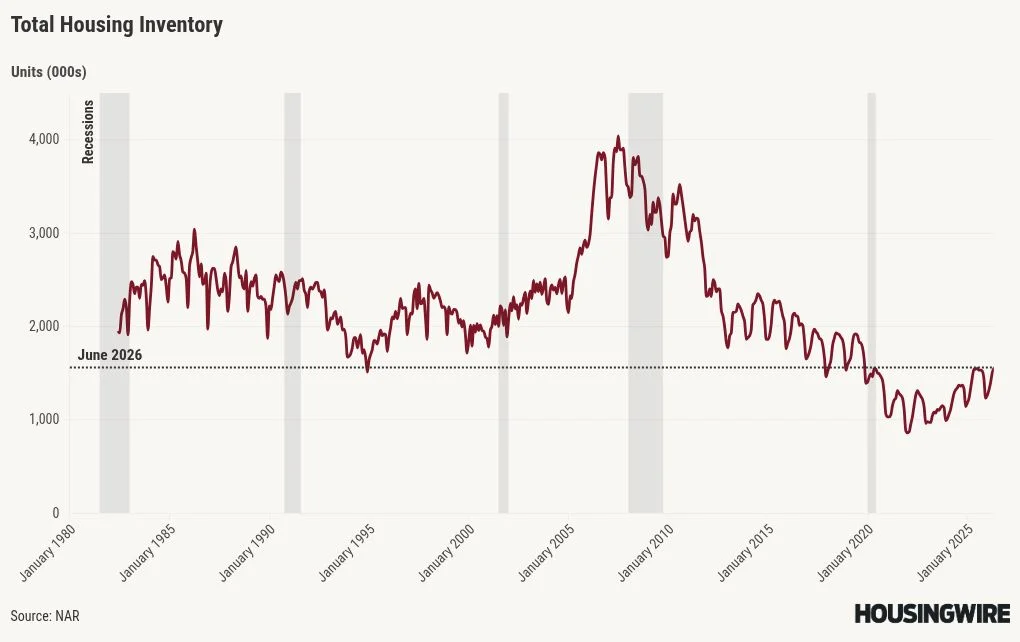
The housing market in 2026 is navigating a complex terrain shaped by elevated mortgage rates, economic pressures, and shifting buyer preferences. Homebuilders are recalibrating their strategies, prioritizing inventory management over aggressive growth tactics. While it's easy to interpret this as a reaction to market challenges, the underlying shifts reveal an industry that is adapting intelligently to a new reality.
Strategic Conversations Among Industry Leaders
The 2026 Forum for Housing Executives, co-hosted by Builder Advisor Group, Avila Real Estate Capital, and Pacific Interwest, gathered around 100 top-level executives. This meeting highlighted industry-wide concerns such as rising capital costs and affordability challenges, signaling a collective move towards a more nuanced approach to home construction. Tony Avila, CEO of Builder Advisor Group, pointed out the measured responses by builders to the headwinds they face: “These are the kinds of disciplined moves that give us confidence in the long-term health of the sector.”
These discussions are vital as they reflect a broader acknowledgment that the housing market isn't just dictated by supply and demand, but is also influenced heavily by economic conditions and buyer behavior. Executives understand that employing a tactical approach to construction and financing can better weather current market volatility. The forum served not only as a networking opportunity but also as a breeding ground for ideas that could shape the future of homebuilding.
Shifting Strategies: From Growth to Stability
Homebuilders are pulling back from speculative construction, increasingly shifting to customized, build-to-order projects. This strategic pivot addresses demand mismatches while enhancing inventory control and margin protection. In a market where affordability reigns supreme, 64% of builders are offering sales incentives, and 37% have reduced prices. Notably, D.R. Horton has made significant moves to tighten inventory, slashing unsold homes by 25% since December and 35% year-over-year. These actions exemplify how builders are recalibrating their operations to respond to current market realities, a tactic that may be more indicative of prudent long-term stewardship rather than mere survival.
What this shift really highlights is a profound understanding that buyers are more cost-sensitive than ever. A more personalized approach to homebuilding could be the key to gaining buyer loyalty in a cooling market. Developers are likely realizing that, by pivoting to ordered builds, they can not only reduce waste but also cater specifically to what potential homeowners want, rather than imposing a one-size-fits-all model. In the face of high inflation and financial uncertainty, this adaptability is essential.
The Impact of Homebuilder Consolidation
Amid these shifts, consolidation remains a defining theme within the industry, fundamentally reshaping the competitive arena. Over half of the homebuilding market is now under the control of large builders, a trend underscored by increased acquisition activity aimed at bolstering scale and operational efficiency. This concentration is not just a response to financial pressures; it also reflects strategic positioning in a challenging economic environment, as larger companies enjoy better access to capital and operational flexibility.
The ability of larger firms to navigate these pressures is partly due to economies of scale, which allow them to absorb costs more effectively than smaller companies. This consolidation isn't merely a numbers game; it affects market dynamics, influencing pricing strategies and the variety of options available to consumers. And as smaller players feel squeezed, their opportunities to compete diminish, raising concerns about market diversity.
Moreover, institutional investment in residential development, particularly from global players like Japanese firms, highlights an ongoing interest in the U.S. housing market. These financial dynamics illustrate how mergers and acquisitions can serve as vital tools for larger builders to sustain market share in an era of uncertainty. However, such consolidation could ultimately stifle competition and innovation. If you're working in this space, understanding this trend is critical, as the movement toward fewer, larger players could redefine the competitive strategies that developers and builders must adopt.
Persistent M&A Activity
Despite a slowdown in mergers and acquisitions compared to the frenzy of the post-pandemic period, the landscape remains active. As executives like Avila emphasize, there is sustained interest in M&A across the sector, although buyers are becoming more exacting in their evaluations. Strategic players like Toll Brothers’ acquisition of Buffington Homes exemplify the calculated moves larger builders are making. This isn't just about acquiring new assets; it's about strategically positioning themselves to thrive in a market that demands agility and foresight.
The companies maintaining robust M&A activity are not engaging in hasty decisions; rather, they're looking for companies that can enhance their operational framework or geographic reach. Smaller operators must take note: in a tightening market, finding ways to partner with larger entities may serve as a strategic exit or growth plan. If builders can showcase unique value propositions, they might find themselves on the acquisition radar, rather than being left behind.
Looking Ahead: Implications for the Housing Market
What stands out in 2026 is an industry grappling with real obstacles yet demonstrating resilience through strategic adjustments. The instinct may be to read this environment purely as a survival response, but it’s more accurately a proactive reframing of operational focus. Builders who can effectively balance inventory management with affordability pressures are likely to emerge with not just survival intact, but enhanced competitive advantages.
The housing market is at a critical juncture, where changes made now will have long-lasting implications. While the present challenges won't disappear overnight, the ability of builders to adapt may determine who thrives and who falters. As institutional investment continues to shape the market, understanding the mechanisms behind these shifts will be essential for all stakeholders involved. This is more significant than it looks. The evolving strategies of builders reflect a concentrated effort to align with a new economic reality, challenging the notion that growth must always drive profitability. The evolution of the housing market thus reflects both challenges and opportunities—a pivotal moment where strategic foresight will determine the winners and losers in the coming years.