The conclusion of the Iran conflict could potentially reshape the expectations around mortgage rates, but the implications are far more complicated than a straightforward drop in prices. As oil tankers start to navigate through the Strait of Hormuz again, analysts are considering how this geopolitical shift will influence the housing market and the financial mechanisms underpinning it. The reality is that we may not see mortgage rates return to their pre-conflict lows anytime soon, primarily due to interconnected factors like mortgage spreads and inflation rates.
Mortgage Spreads Remain a Key Variable
Mortgage spreads have functioned as the unsung heroes of the housing market during the turmoil. They have managed to keep average mortgage rates below 6.64% in a complicated environment. The expectation is that, with the conflict winding down, this pressure will ease. Historically, spreads have been influenced by various external factors, including geopolitical tensions, which have recently pushed them higher by a slight 0.19% to 0.25% basis points. As tensions decrease and if the Federal Reserve refrains from aggressive rate hikes, these spreads could remain stable, fostering a more favorable lending environment.
Currently, if mortgage spreads reverted to the worst levels recorded in 2023, home loans could exceed 7.80%. For instance, following last year’s figures, one can see how vital these spreads have been, especially since mid-2025 when demand was just beginning to show resilience against rising rates. A potential stabilization in the market can be helpful in preventing a chaotic spike in mortgage costs.
Long-Term Challenges for the 10-Year Yield and Mortgage Rates
The intersection of the 10-year yield and mortgage rates is expected to present challenges in returning to pre-conflict levels. Historical analysis suggests that mortgage rates typically reflect movements in 10-year treasury yields, and these won’t necessarily revert quickly, even with the current geopolitical de-escalation. Analysts have forecasted that the 10-year yield will fluctuate between 3.80% and 4.60%—a bandwidth that has remained stable throughout the conflict.
However, inflation trends complicate the outlook. Initially, the assumption was that worsening labor data might encourage the Fed to adopt a more accommodative policy stance, potentially allowing for lower rates in 2026. Yet, new indications show improvements in the labor market, leading to a shift in sentiment from Fed members towards a potential rate hike rather than cuts. This shift could further delay any move toward lower mortgage rates, as inflation remains problematic and higher than the Fed’s target.
The road back to lower mortgage rates is more tortuous than one might assume. For instance, even with optimistic ceasefire developments earlier in the conflict, yields only exhibited limited downward pressure, signaling that market sentiment remains jittery. Until there’s a sustained decline in the 10-year yield—starting with a gradual drop back to 4.46%—expectations of a quick return to pre-conflict rates may be overly optimistic.
Prospects for Housing Demand
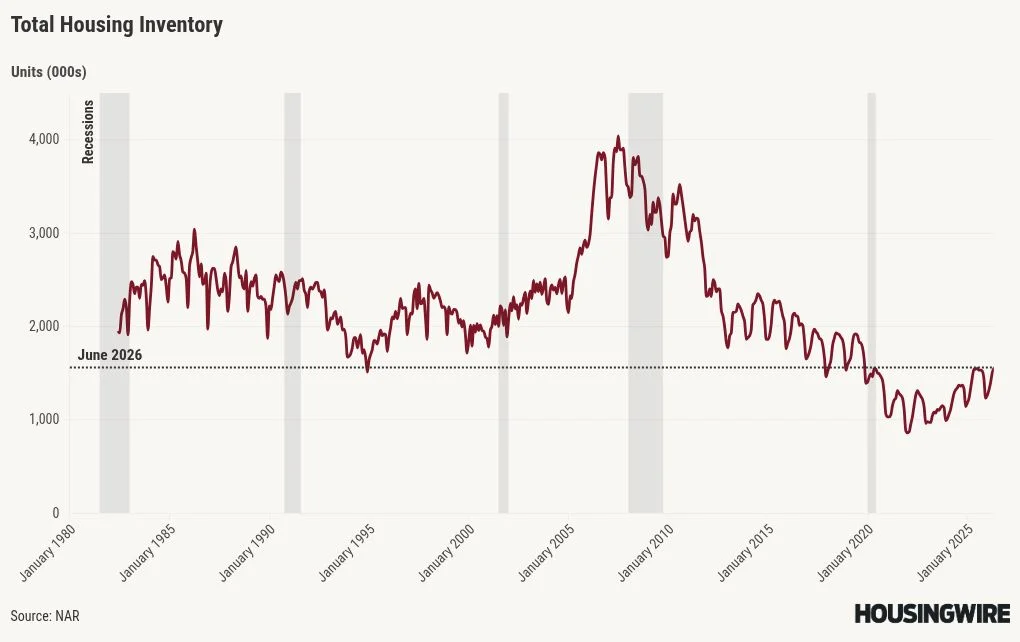
Amid these fluctuations, housing demand has held up surprisingly well. Despite inventory trends suggesting a move towards negative year-over-year growth, the market remains comparatively healthier than it was during the tumultuous 2020-2023 period. What’s becoming clear is that the fundamentals underpinning housing demand are still intact, indicating resilience in buyer interest and market activity.
While lower mortgage rates are preferable, the dynamic is particularly tricky in this unpredictable environment full of hawkish sentiment from the Federal Reserve. The housing market has shown its adaptability, but any future improvements will depend on broader economic stabilization and particularly on moderating inflation rates. Investors should keep an eye on how these elements intermingle, as they will heavily dictate mortgage lending conditions in the near future.
Looking Ahead
As we analyze the evolving landscape, the interplay between mortgage spreads, the Fed’s monetary policy direction, and the economic backdrop will be critical in determining the trajectory of mortgage rates in 2026 and beyond. For industry stakeholders, the emphasis should reside on monitoring inflation trends, labor market changes, and geopolitical stability when making informed predictions and strategies for navigating this complex period.