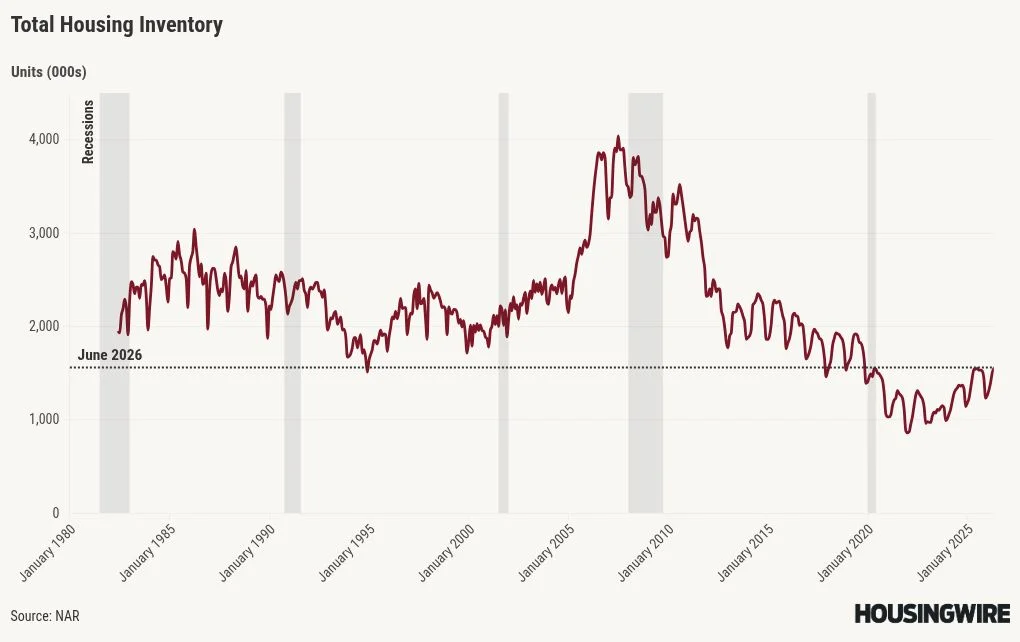
House appropriators have proposed a significant spending bill for fiscal year 2027, targeting critical sections of housing oversight and funding. However, these measures are eliciting concern among housing advocates, particularly due to proposed cuts that may hinder anticipated gains in affordable housing and homeless assistance.
Key Budget Provisions and Implications
The proposed Transportation, Housing and Urban Development (THUD) Act allocates about $71.4 billion for the Department of Housing and Urban Development (HUD) and the Department of Transportation. This figure represents a nuanced approach, seeking to balance investment across transportation infrastructure and housing services. Yet, the allocation for key HUD programs has left many stakeholders unsettled.
U.S. Rep. Steve Womack, chair of the THUD subcommittee, highlighted the bill's commitment to enhancing the nation’s infrastructure while delivering housing solutions for vulnerable populations, such as women, children, and veterans. Yet, the efficacy of this approach will depend significantly on how well funding realigns with pressing housing needs.
Organizations like the National Association of Local Housing Finance Agencies (NALHFA) express apprehension that the proposed funding may not adequately meet current demands. NALHFA advocates for maintaining funding levels at a minimum of $77.3 billion for HUD and $38.4 billion for the Housing Choice Voucher Program (commonly known as Section 8), alongside increases in other critical funding areas.
Analysis of Funding Cuts
At the heart of the debate is the substantial proposed cut to the Public Housing Fund, which stands at $7.069 billion—down by $1.25 billion from the previous fiscal year. The ramifications of such cuts are profound, as they could exacerbate the existing housing crisis faced by low-income families, effectively reducing access to affordable housing options at a time when the demand continues to grow.
The bill includes a provision earmarking $4 billion to be available starting October 1, 2027. This raises important questions about timing and urgency, particularly when considering that several housing programs are already stretched thin. The ongoing dialogue about potential cuts to Section 8, despite continued Congressional resistance to elimination, underscores the fragile state of tenant-based assistance. Funding directional shifts can feel particularly precarious when so many families rely on these mechanisms for stability.
Homeless Assistance and Community Development Funds: The Broad Impact
Government commitments to homelessness assistance show some movement, proposing $4.161 billion across various grants, including $3.779 billion for the Continuum of Care program. Notably, moments of political contention arose during the previous administration, when attempts were made to limit funding only to transitional housing models. This kind of volatility poses a continuous risk to the stability of homeless service frameworks and underpins the need for robust policy advocacy and community engagement.
Interestingly, the Community Development Fund is allocated $5.853 billion, which includes $3.3 billion designated for the Community Development Block Grant (CDBG) program. Advocacy groups are closely watching these allocations, particularly as they stemmed from prudent lobbying efforts against proposed budget reductions from the presidential request. The push for stable funding might shift the paradigm for local development projects critical to community revitalization.
Future Directions and Recommendations
While the proposed THUD Act sets a framework, its acceptance and execution hinge on bipartisan support and advocacy from stakeholders across the housing sector. NALHFA's call for engagement from its members to reach out to elected officials exemplifies the proactive approach necessary to redefine budgetary outcomes in favor of comprehensive housing solutions.
Additionally, the need for HUD accountability through rigorous inspection protocols for poorly-rated project-based housing highlights an essential aspect of federal oversight. The bill’s stipulations, which may include penalties for numerous housing quality failures, underscore the notion that quality management can be just as critical as funding itself.
Housing professionals should interpret the nuances of these budgetary discussions as part of a larger narrative about American housing policy. As the bill moves through the legislative process, the goal should be to advance a housing agenda that not only meets current realities but anticipates future challenges within the sector. This kind of forward-thinking adjustment will require collaborative efforts and a nuanced understanding of both financial and societal impacts.