The recent acquisitions by CoStar Group and Berkshire Hathaway mark a significant shift in the real estate landscape, specifically in the homebuilding sector. These moves send a strong signal that industry leaders are laying the groundwork for a new wave of consolidation and innovation in a market that has long been fragmented.
CoStar and Zonda: Aligning Data with Construction
CoStar Group's acquisition of Zonda for $800 million was strategic rather than surprising for those familiar with the dynamics of the housing market. Analysts from Keefe, Bruyette and Woods highlighted that this deal fills a vital gap in CoStar’s data offerings, enhancing its capabilities in the $1 trillion new home construction sector. This acquisition aligns with CoStar's ongoing strategy to bolster its presence in the new construction arena, providing critical insights into land development, construction activities, and builder operations.
CoStar’s management has recognized the potential for growth within new home construction, which has been an underdeveloped area compared to its existing resale-focused platforms. Zonda adds essential supply-side insights that will not only complement CoStar’s marketplace strategy but also enable the company to establish a more robust foothold in a sector that has historically operated in isolation from resale brokerage.
This tactic of integrating a leading data player into its existing portfolio exemplifies CoStar’s broader business model: acquiring dominant players in fragmented markets to create synergistic operational efficiencies. Both Ryan Tomasello and Jade Rahmani from Keefe indicated that Zonda’s 104% net retention rate is likely to please stakeholders, particularly in an environment where competition among data providers is intensifying.
Berkshire Hathaway: A Calculated Bet on Homebuilding
Meanwhile, Berkshire Hathaway's decision to acquire Taylor Morrison for $8.5 billion underscores the conglomerate’s commitment to diversifying its portfolio. Analysts view this acquisition as a strategic move designed to tackle the persistent issues of low margins in brokerage while capitalizing on the higher profitability potential within homebuilding. Taylor Morrison’s impressive $783 million earnings in a challenging market with a 13% return on equity exemplify the financial viability of this sector.
This acquisition not only aligns with Berkshire’s established approach to investing based on economic realities but also enhances its capabilities across various segments of the housing market. Their existing ownership of Clayton Homes, a manufactured home builder, complements their new focus on site-built homes, creating a comprehensive value chain within the housing sector.
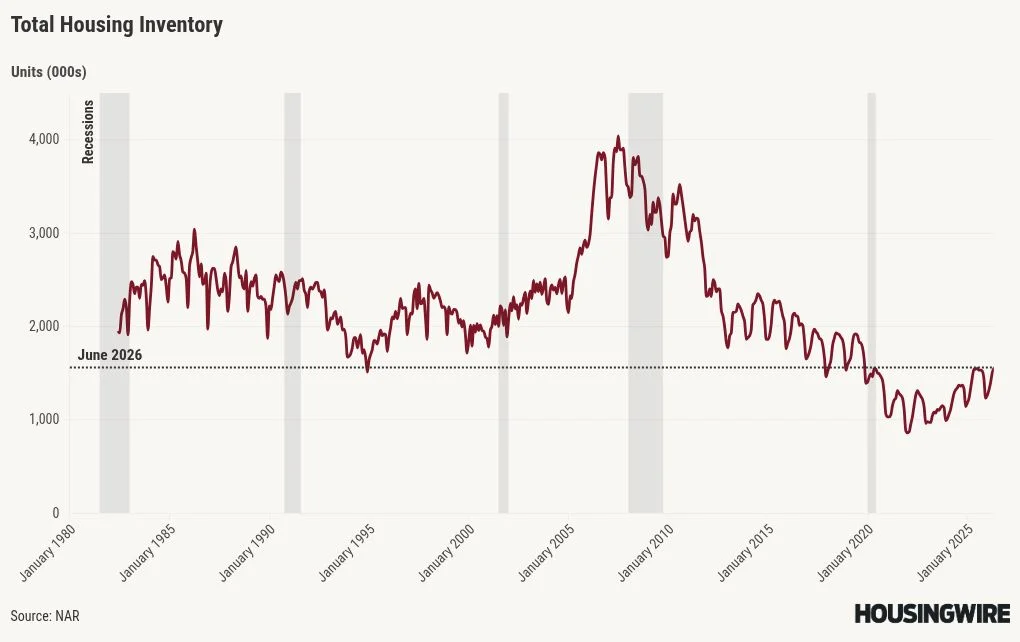
Co-founder of Alloy Advisors, Russ Cofano, pointed out that Berkshire’s foresight in homebuilding reflects a belief in the long-term value of real estate despite the current headwinds. The confluence of high mortgage rates and decreased buyer demand has created a significant housing shortage, making this a strategic play for future growth and stability.
What This Means for the Housing Market
The dual acquisitions highlight a broader trend suggesting that influential players are optimistic about the future prospects of homebuilding. Cofano emphasized that CoStar's entrance into the construction data sphere serves as a long-term bet on the increasing value of new construction processes and related consumer marketplaces. While these transactions do not definitively signal a market bottom, their implications for a revived new-home sector are clear.
The rising market share of the top homebuilders—growing from 25% in 2013 to 50% today—illustrates a trend toward greater consolidation. UBS analyst John Lovallo warns that smaller builders may face increasing operational challenges in accessing capital and resources. The current deals may set the stage for more non-traditional companies entering the market, which could further accelerate this consolidation.
This acceleration won’t merely reshape the builders' landscape; it could enhance the collaborative ecosystem encompassing brokerages, mortgage providers, and data companies linked to housing transactions. The entire residential real estate framework stands poised for transformation in light of these strategic maneuvers.
The long-term implications of these acquisitions are profound. As CoStar integrates Zonda and Berkshire thrives with Taylor Morrison, both companies will likely sharpen their competitive edge in a market hungry for innovation and efficiency. For industry professionals, the clear takeaway is to closely monitor how these developments unfold and consider the potential reshaping of the homebuilding sector in the coming years.