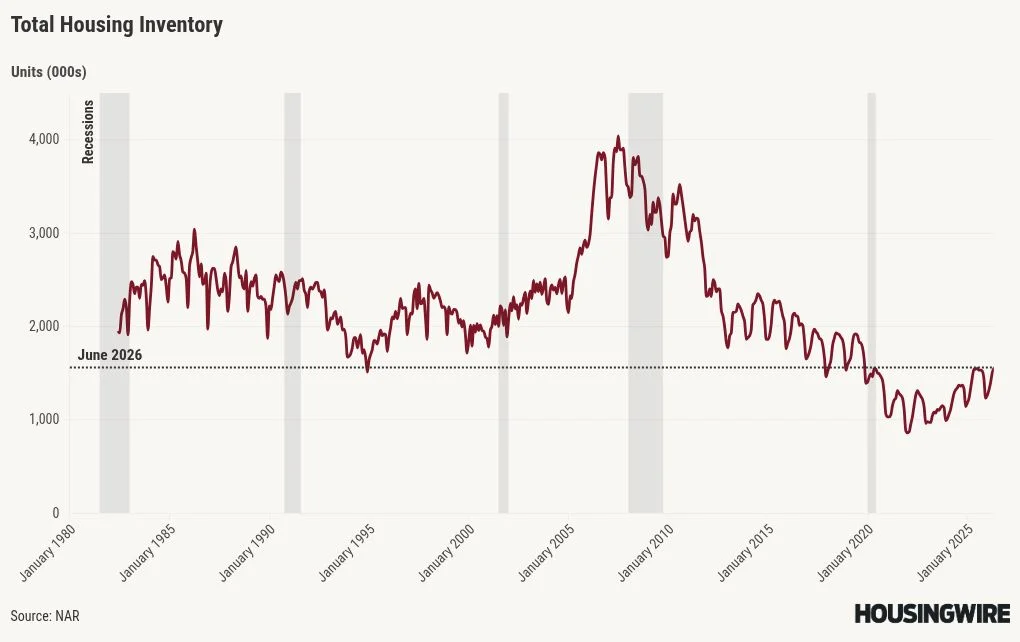
The persistence of elevated mortgage rates is shaping consumer sentiment more than the actual numbers suggest. With 30-year conforming mortgage rates hovering above 6.7%, many experts are surprised to see signs of resilience in the housing market. According to the latest data, weekly pending sales and purchase loan demand have experienced a slight uptick year-over-year, signaling a possible pivot point for buyers caught in a tense standoff with sellers. The underlying narrative hints at a market adaptation rather than sheer defiance, challenging the expectation that higher rates always equate to diminished activity.
The current average for 30-year conforming loans stands at 6.71%, with jumbo loans slightly higher at 6.73%. FHA-backed loans are more competitive at 6.29%. This rate environment has pushed refinancing into a slow lane, as Kyle Bass of Refi.com notes that even minor fluctuations in rates may lead to heightened consumer apprehension regarding refinancing decisions. A study from Veterans United revealed that nearly 37% of potential refinancers reported anxiety about their choices, highlighting how sensitive homeowners are amid a complex financial landscape rife with uncertainty.
Market Dynamics: Purchase vs. Refinance
While many homeowners hesitate to refinance, the purchase market is holding its ground, fostering a sense of optimism among lending professionals. Mat Ishbia, CEO of United Wholesale Mortgage, spoke positively about current market conditions, indicating that growth in home prices and inventory, combined with stable interest rates, fosters a favorable atmosphere for loan originators. "It’s an LO (loan officer) market, and it’s hot right now," Ishbia remarked, emphasizing the distinct dynamics at play compared to the refinancing slump.
However, the broader economic indicators paint a nuanced picture. The latest Case-Shiller home price data shows a modest 0.7% increase on an annualized basis — down from 0.8% the previous month. In some major metros like Seattle and Phoenix, prices have even dipped into negative territory. This disparity underscores the existing battle between buyers seeking concessions and sellers holding their ground. As Thom Malone from Cotality observes, “Buyers are rejecting current price tags, but sellers refuse to offer steep discounts,” resulting in a deadlock that could shape pricing strategies going forward.
Fed Policy: What’s Next?
The Federal Reserve's stance will likely play a pivotal role in how these dynamics evolve. With the next FOMC meeting on the horizon, traders are leaning toward stability in the federal funds rate, with a staggering 98% believing it will remain unchanged. Kevin Warsh’s ascension to Fed chair, however, garners mixed interpretations. While forecasted policies are less hawkish than those of outgoing chair Jerome Powell, there's scant evidence to suggest a rapid pivot to lower rates will occur.Market-watchers are estimating future moves may trend toward increases instead, as inflation remains a top concern.
Current projections estimate about a 40% chance of a modest rate hike by December 2023. Analysts are emphasizing that spreads between mortgage rates and the 10-year Treasury yield, which currently sit at about 208 basis points, indicate a stabilized environment that should bolster lending without significant downward pressure on mortgage rates in the immediate term.
The Inflation Factor
Inflation looms large in the Fed's considerations. Remarks from Fed officials during an economic conference highlighted that continued inflation is a pressing issue, suggesting a need to adjust the policy rate. Bowman and Schmid articulated the importance of maintaining vigilance to deter inflation that has consistently exceeded the Fed's goals for price stability. The takeaway here is clear: as inflation persists, rate adjustments could become inevitable, which may further complicate the purchase and refinancing landscape.
In summary, while the current rate of 6.71% for conforming loans might seem daunting at first glance, the evolving market conditions suggest a greater resilience among buyers. For those in the real estate and finance sectors, the challenge now is to navigate the unique pressures of financing amid fluctuating consumer sentiment and an uncertain economic backdrop. Keeping an eye on the Fed's impending decisions will be crucial for loan officers and real estate professionals in planning their next moves in this multifaceted market.