The current stability in housing demand seems perplexing against the backdrop of escalating mortgage rates and economic uncertainties. Surprisingly, despite challenges such as rising oil prices due to geopolitical tensions and ongoing discussions about the impact of AI on employment, the housing market is exhibiting resilience. Recent data illustrates a year-on-year growth in pending home sales and purchase applications, highlighting a persistent demand in the sector. The critical question now is: how long can this momentum withstand the pressure from higher interest rates?
Resilience Amidst Rising Rates
The latest housing data shows a traditional rebound in activity following the recent holiday weekend. Weekly pending home sales are up, and while new listings and active inventory also show slight growth, they remain marginally down when compared to last year's figures. This suggests that the housing market is weathering 2026's economic storms, indicating an ongoing, albeit fragile, demand for housing. The market's ability to maintain activity despite mortgage rates creeping closer to this year's highs is a noteworthy highlight.
Pending Sales and Application Trends
Pending home sales data—often viewed as a barometer of market health—showed last week that the number was approximately 75,935, compared to about 69,636 during a similar week the previous year. Despite a 3% week-over-week dip in purchase applications, the year-over-year perspective is more optimistic, with applications rising 7%. This forward-looking indicator emphasizes the health of the market, particularly if sustained positive trends can be identified over a 12 to 14-week period.
Mortgage Rates and Economic Influences
Currently, mortgage rates fluctuate around 6.64%. Historical data indicates that higher rates, particularly those above 7%, typically dampen housing activity, but with consistent demand, it’s evident that buyers are still keen. The last week’s economic indicators—including a robust job market—have propelled 10-year treasury yields higher, which in turn exerts upward pressure on mortgage rates. This volatility in inflation and employment data raises questions about the sustainability of these rates. Can the peak yield continue to hold if inflation scenarios worsen?
Market Inventory and Listings
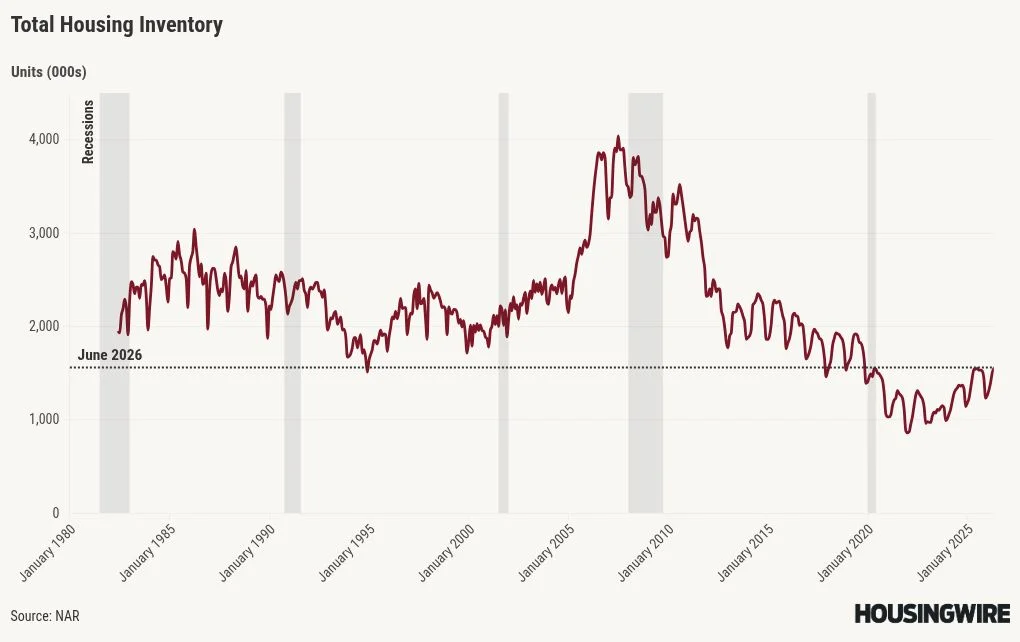
Analysis of housing inventory reveals a typical post-holiday increase, though this year’s levels are slightly lower than 2025's. Recent statistics indicate that active inventory jumped from 795,921 to 806,198, reflecting a broader trend towards increased listings. Notably, this is significantly healthier than inventory levels observed during the height of the market disruption from 2020 to 2023. The year-over-year growth in new listings is particularly encouraging; for instance, about 76,766 new listings appeared last week compared to 73,436 a year prior.
Price Dynamics and Market Sentiment
Regarding pricing strategies, it’s typical for around a third of homes to experience price cuts; however, this year's rate of reductions has been slightly lower than previous years. With mortgage rates soaring, the impacts on home prices will be closely monitored. Currently, the data suggests a price cut percentage of approximately 37.53%, down from 39% in 2025. This trend positions 2026's anticipated home-price forecast of a -0.62% change at risk, especially if inventory levels continue to contract.
Looking Ahead: External Influences
The upcoming week will be pivotal, particularly regarding external economic pressures such as oil prices influenced by ongoing conflicts and a scheduled inflation report. These factors contribute to a complex narrative for the Federal Reserve, which may need to reconsider its strategies concerning rate hikes depending on how inflation unfolds. Existing home sales data will also be under the spotlight to gauge further market responsiveness under current socio-economic conditions.
The housing sector is entering a highly scrutinized phase with rising mortgage rates challenging buyer sentiment, yet demand continues to hold firm. Industry professionals should remain vigilant in monitoring these trends as we navigate through potential economic adjustments and their implications on housing dynamics. The lessons from past market cycles would suggest that while resilience is commendable, preparatory measures for volatility are prudent as we approach the second half of the year.