Boston's ascent as the top city for foreign multinational business activity signals not just corporate expansion but a distinct reshaping of its real estate landscape. The recent Financial Times–Nikkei report highlights Boston’s profound strengths—an educated workforce, a thriving innovation economy, and strong infrastructure—that are not merely statistics but indicators of a market that attracts international investment. For agents, these developments present a clarion call: understanding the nexus between corporate activity and housing demand is becoming essential for success in this urban ecosystem.
The Case for Boston's Real Estate Resilience
George Sarkis, co-founder and CEO of The Sarkis Team at Douglas Elliman, encapsulates the prevailing sentiment among real estate professionals. “It’s one of the strongest and most resilient real estate markets in the country,” he asserts, pointing to a diverse economy bolstered by world-class institutions. This foundation isn't just about numbers; it’s indicative of a market responding dynamically to shifts in workforce needs and corporate relocations.
Talent Magnet and Housing Demand
The link between corporate hiring and housing demand is clear. As companies like those Sarkis represents expand—one recently announced a hiring spree of 800 employees—relocation trends shift from temporary rentals to permanent home purchases. “These people get familiar with the city and its suburbs, then always end up buying,” he notes, indicating a pipeline fed by a continuous influx of global talent.
Current Market Dynamics: Tight Inventory and Luxury Demand
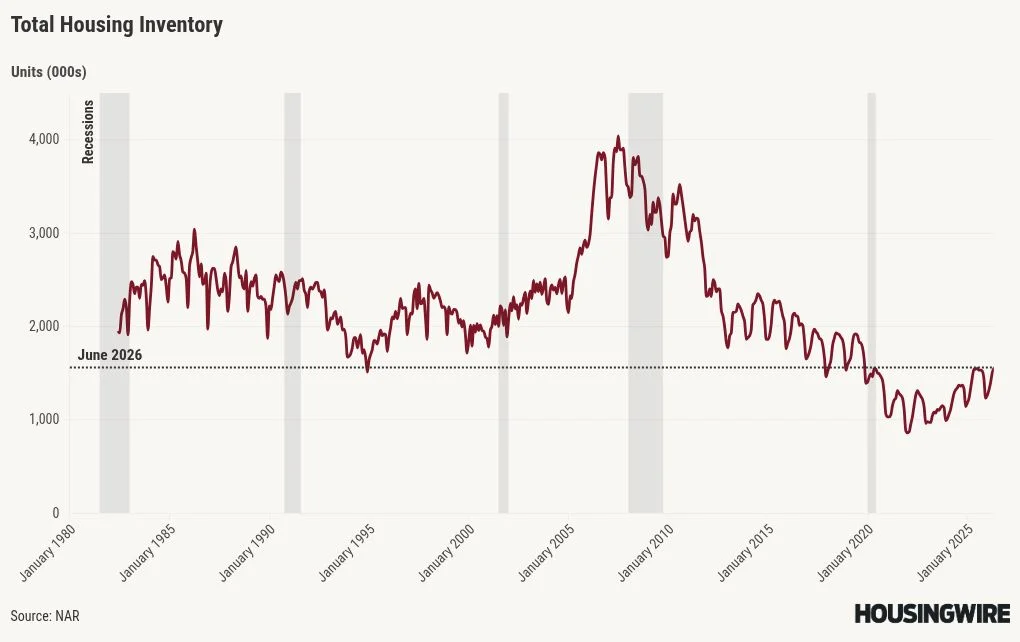
Today’s Boston housing market reflects its corporate and educational strengths. With a median single-family list price hovering around $997,750 and luxury homes averaging above $1.68 million, the city is firmly in a seller’s market. Inventory is exceptionally tight, with just one month of supply available, which means homes are selling quickly—some within a median of 21 days on the market. This is not merely a temporary blip; it’s a sustained trend linked intricately to educational institutions nurturing a skilled workforce that will fuel economic growth for years to come.
Diverse Economic Engines
Sarkis emphasizes that Boston’s appeal isn't centered around one dominant industry. Instead, its economic diversity—spanning life sciences, technology, health care, and higher education—creates a rich tapestry of housing demand. This multifaceted economic landscape attracts an array of professionals, contributing to a robust housing market. The recently completed sale of the Boston Celtics for $6.1 billion, with international partners involved, underscores the city's growing significance on the global business stage. Companies are increasingly drawn to Boston for its access to fresh talent—especially younger, tech-savvy graduates from the city's over 40 colleges and universities.
Shifting Wealth and Market Implications
This influx isn't limited to traditional high-income households; Boston is witnessing a demographic shift with a younger, affluent resident base emerging. Sarkis highlights that many wealthy individuals under 40 are now residing in Massachusetts and are not likely to move to lower-tax states. For families focused on education, particularly for schooling from middle grades through to college, Massachusetts remains unparalleled.
What Real Estate Professionals Should Monitor
For those working in Boston’s real estate market, understanding this evolving landscape is key. Agents must pay close attention to corporate activities, hiring trends, and expansions as these are leading indicators of housing demand. “If you’re in the know as a real estate agent, then you realize there’s going to be more demand coming your way,” Sarkis advises, emphasizing the need for market insiders to stay informed about company movements within the region.
Structural Challenges Ahead
However, as Sarkis points out, the potential for rising housing costs poses a risk. The imbalance of housing supply lagging behind demand threatens to push younger households out, exacerbated by possible immigration restrictions limiting skilled labor influx. This dynamic could weaken the very workforce that regional employers depend on for sustained growth. Despite these challenges, Boston's fundamentals appear steadfast. Its established global connections, combined with a continuous churn of talent and investment, position it uniquely compared to more cyclical markets reliant on seasonality.
Looking Ahead: The Future of Boston's Housing Market
The future of Boston's real estate market seems well-grounded in its robust economic underpinnings and demographic shifts. As Sarkis succinctly puts it, “Boston’s numbers are strong and the rankings reflect the strength of those fundamentals, plain and simple.” For professionals in the real estate industry, actively tracking the interface between economic growth and housing trends will be crucial for capitalizing on the opportunities presented by Boston's ongoing evolution as a top destination for multinational corporations and the professionals they attract.