The recent introduction of the Nest Egg Protection Act by Rep. Nicole Malliotakis (R-N.Y.) spotlights a pivotal moment in housing policy, particularly for seniors navigating a volatile real estate environment. The proposed legislation, which seeks to temporarily raise the capital gains tax exclusion for homeowners aged 65 and older to $1 million, addresses a long-standing issue: outdated tax thresholds that no longer reflect today's housing market realities.
Context of the Proposal
Since the capital gains exclusion limit was last updated in 1997, homeowners face significant tax liabilities when selling their properties, especially in high-cost regions. The current exclusion thresholds are capped at $250,000 for individuals and $500,000 for married couples filing jointly. With median home prices skyrocketing—particularly in areas like Staten Island and parts of Brooklyn, where the median price exceeds $700,000—longtime owners risk incurring heavy tax bills with minimal gain from their sales. This scenario discourages many seniors from selling their properties, effectively keeping them in homes that could otherwise be listed on the market.
The Operational Significance
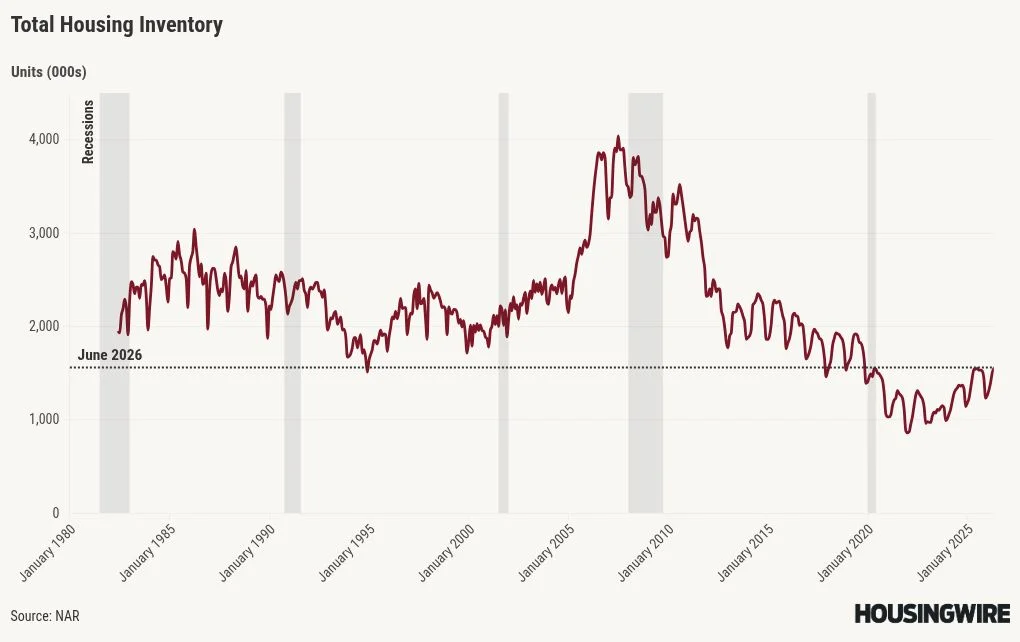
By increasing the exclusion to $1 million for those who have owned their homes for at least 25 years, the Act aims to alleviate this burden and incentivize older homeowners to sell. “Too many seniors... are now facing the possibility of a significant capital gains tax bill if they choose to sell or downsize,” Malliotakis stated, shedding light on the legislation's dual goal: providing tax relief while simultaneously increasing inventory for younger buyers—an arguably urgent need given today’s housing scarcity.
Local real estate entities, including the Staten Island Board of Realtors and the Brooklyn Real Estate Board, support the bill, framing it as both a vital tax relief mechanism and a strategy for enhancing market dynamics through increased listings. Current owners, particularly those in high appreciation markets, are often "frozen" in place due to tax implications, which only exacerbates housing availability issues.
Comparative Legislative Landscape
This proposed act isn’t wholly unprecedented; it bears similarity to several previous attempts to recalibrate capital gains tax regulations. Notably, Rep. Marjorie Taylor Greene's No Tax on Home Sales Act introduced last year aimed to eliminate capital gains taxes on all primary residence sales—underscoring the growing acknowledgment within Congress of an urgent need to modernize tax statues to match evolving home values. Data from the National Association of Realtors (NAR) indicates that as many as 29 million homeowners could face capital gains taxes when selling their homes—a figure projected to rise to 59 million by 2035.
Consequently, while the Nest Egg Protection Act serves as a tailored initiative addressing the urgent needs of a specific demographic—the senior homeowners—its introduction also fits into a broader narrative about housing affordability and market accessibility. Malliotakis is not alone in her efforts; she is a co-sponsor of H.R. 1340, which aims to double exclusion amounts while indexing them to inflation, further suggesting a multifaceted approach to addressing these concerns.
Implications for the Real Estate Market
The instinct might be to view this legislation solely as a form of tax relief for seniors; however, that narrow lens overlooks a fundamental truth about its potential impact on market dynamics. Unlocking homes currently occupied by seniors can create a ripple effect throughout the housing market, easing competition among first-time buyers and families seeking to upgrade. This move could foster a healthier inventory cycle, benefiting not just sellers but younger buyers eager to enter a market that has grown increasingly expensive and competitive.
Seniors frequently bear the brunt of unintended consequences resulting from entrenched policies that fail to evolve with economic realities. By encouraging "right-sizing," the Nest Egg Protection Act seeks to dismantle tax-related barriers that have made it difficult for many to transition into more suitable housing arrangements, thereby rejuvenating the overall market.
A Forward-Looking Perspective
As this legislation makes its way through Congress, housing professionals ought to keep a keen eye not just on its passage, but also on potential modifications that may be suggested along the way. Moreover, the reaction from constituents and industry stakeholders will likely shape both the legislative landscape and public sentiment regarding housing policies. If successful, this act could set a precedent for further legislative efforts aiming to modernize tax structures and make housing more accessible across demographics.
Beneath the surface of what appears to be a straightforward financial adjustment lies a complex interplay of economics, demographics, and housing needs that merits our attention. Tax reform in the context of real estate isn’t merely about numbers; it’s about the people behind those transactions—the families seeking stability, the seniors wishing for flexibility, and a market aspiring to flourish amidst unprecedented challenges.