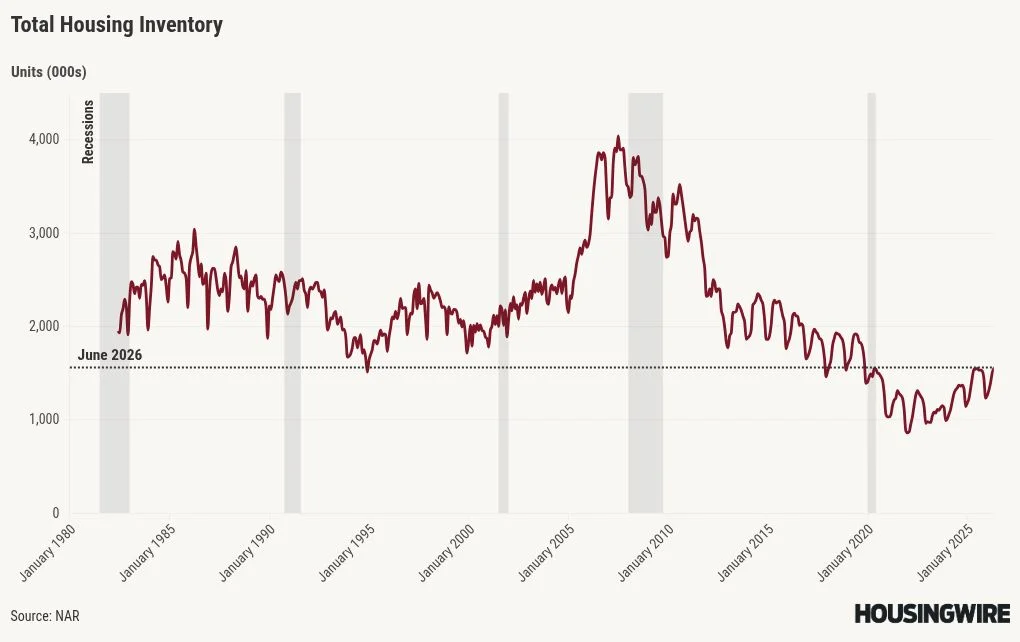
The recent upheaval in logistics real estate reveals a nuanced landscape of opportunity amidst what could have been perceived as a simple boom. While the earlier period suggested an endless capacity for warehousing, market corrections are illustrating a more constrained reality that savvy investors can capitalize on. The paradox here is compelling: scarcity emerges where excess was once abundant, flipping the supply-demand dynamics and reshaping investor strategy in industrial properties.
Flight to Quality in Industrial Assets
As vacancy rates decline and rents rise, the potential for value-add investment strategies is gaining traction. John Carrafiell, co-CEO of BGO, articulates this shift: “The fundamentals have just crossed an inflection point in many markets.” His foresight suggests that the next few years could be a golden period for those who effectively acquire and enhance industrial assets. BGO analysts forecast that industrial spaces are likely to outperform other property sectors in terms of rent growth.
Data from JLL supports this optimistic view. In the first quarter, leasing reached an impressive 145 million square feet nationally, with a significant 72% representing new transactions. This 18% increase compared to the previous year indicates robust investor confidence fueled by a tightening supply. Nick Stefans from JLL highlights a nearly universal “flight to quality,” especially in key markets that influence broader trends.
Supply Constraints and Investment Dynamics
The backdrop of diminishing supply is critical. The first quarter yielded only 55.7 million square feet of new space—the lowest output since early 2017. Coupled with a plateaued national vacancy rate of 7.5%, this signals a shift toward a landlord-favorable market. Carrafiell notes a striking statistic: the availability of “bombers” (warehouses exceeding 1 million square feet) has halved over the last year. Concurrently, leasing activity for large warehouses surged by 80% year-over-year. These changes in the marketplace create a fertile ground for strategic acquisitions, especially as many owners face impending loan maturities and pressure to liquidate assets.
Investors are increasingly reassessing their risk profiles. After a brief period of caution, institutional capital is returning to the market, emboldened by the current supply-demand imbalance. Investment volume at $28.6 billion represents a remarkable 36.6% year-over-year increase. This suggests that those with strategic insights into the evolving market can capture significant returns.
Shifts in Tenant Demand and Market Strategy
Tenant behavior is evolving alongside these market dynamics, prompting a recalibration in how companies approach their logistics needs. Zak Mirkowski from Savills points out that businesses are now seeking modern facilities that enhance operational efficiency. Legacy locations are being shed in favor of high-quality spaces that better serve current logistical needs, especially in light of recent mergers and acquisitions.
The trend of expansion into secondary and tertiary markets further complicates the industrial narrative. Major markets are becoming saturated, pushing tenants to explore often-overlooked areas. This geographical sprawl makes lesser-known industrial assets attractive for acquisition and upgrading, a point emphasized by Ed Brickley at Realterm, who notes shifts in logistics routes and supply chain strategies through reshoring efforts.
Data-Driven Investment Insights
Successful investment in this climate hinges on utilizing sophisticated analytics to identify promising submarkets. BGO employs machine learning algorithms that dissect rental movements across approximately 2,500 U.S. submarkets, predicting that some areas may experience rent growth of up to 30% within five years. This granularity of analysis empowers investors to make informed decisions in an environment characterized by volatility and rapid change.
Particular types of industrial properties are emerging as preferred targets for investment. Shallow-bay, multi-tenant buildings are noteworthy in the Northeast due to their consistent tenant interest and the relative scarcity of supply. Mirkowski echoes this sentiment, suggesting that small-bay and midsize properties in Western markets exhibit better-than-expected tenant resilience. Adding strategic value to these properties through infrastructure improvements or modernization can yield significant returns.
Long-Term Drivers of Demand
The forward-looking perspective in the industrial sector is buoyed by the involvement of new economy users demanding upgraded facilities. Trends toward automation, enhanced power capabilities, and advanced manufacturing are reshaping how logistics companies operate. Carrafiell emphasizes that as industries evolve, the requirements for space are becoming more complex. This demand continues even in a challenging macroeconomic environment—what Carrafiell describes as a "two-gear economy," where sectors like chip fabrication and data centers maintain robust growth trajectories.
Additionally, the recent federal tax incentives for manufacturing facilities serve to amplify growth potential, making capital improvements financially appealing. As companies seek to align with the demands of modern manufacturing and distribution, the scope of industrial real estate is expanding beyond traditional boundaries.
Concluding Thoughts: The Resilience of Logistics Real Estate
The industrial sector is navigating a noteworthy transformation shaped by demand shifts and market corrections. As the dust settles from previous oversupply, those able to recognize the opportunities tied to scarcity and evolving tenant requirements stand to gain significantly. The investments in logistics properties are no longer solely about securing space; they're about capitalizing on a marketplace defined by strategic insight and adaptability. For professionals in the field, the imperative is clear: understand the shifts, anticipate future needs, and act decisively in an ever-more complex industrial landscape.